Facial recognition app for pain receives more funding
- 7 July 2025



- Facial recognition technology from PainChek has received funding to support a further 994 people in Bedfordshire, Luton and Milton Keynes
- The app recognises micro-facial expressions indicative of pain and uses AI to identify and quantify pain levels
- An initial pilot project in 2024 in Central Bedfordshire supported 465 individuals
Facial recognition technology from PainChek has received funding to support a further 994 people in Bedfordshire, Luton and Milton Keynes (BLMK).
PainChek recognises micro-facial expressions indicative of pain and uses AI to identify and quantify pain levels.
Following an initial pilot project in 2024 in Central Bedfordshire which supported 465 individuals, the AI-driven pain assessment app will now help care staff identify pain levels for more than 1,400 residents in BLMK.
Cecilia Amadek, home manager at Oak Manor Care, said: “Using PainChek in our care home helped us spot pain immediately, more easily.
“We don’t need to call the ambulances out so often, residents don’t need to go to hospital, don’t need paracetamol prescribed so often, because with this tool we can exactly see if they are in pain or not.”
Painchek is one of two digital care technology implemented in BLMK following funding of £1.1 million from the Digitising Social Care (DiSC) Programme’s Adult Social Care Technology Fund awarded in April 2024.
As of mid-May 2025, more than 14,200 PainChek assessments have been completed with a total of 764 residents across 25 different care locations.
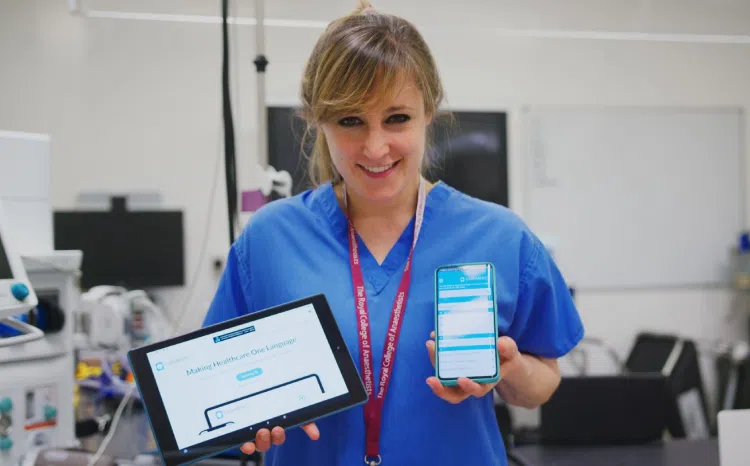
Care teams can monitor residents using the PainChek app on a mobile phone or table and share results with the resident’s GP.
For people with communication difficulties, learning difficulties or dementia, the app can help care teams to monitor and manage residents’ pain, increasing people’s quality of life, making them more comfortable and improving sleep. Reducing pain can also help prevent accidents and injuries.
For care providers, the pain monitoring and scoring technology helps to make medication prescribing more effective, reduce safeguarding incidents and increase confidence amongst care staff to identify and manage pain.
Marta Kozowy, deputy manager and registered nurse at Anjulita Court Care Home in Bedford, said: “We are able to treat residents holistically.
“So, if there is distressed behaviour, signs of infection, we can spot symptoms of pain early, implement pain relief as soon as possible, and monitor the effectiveness.
“We can reassure the families that the relative is comfortable, free from pain.”
DiSC’s Adult Social Care Technology Fund was allocated to support technology solutions that focused on at least one of three priority areas: increasing care quality and safety, reducing avoidable admissions or readmissions to hospital, and increasing the support for people to live independently in their own home.
Interim results from the 12-month pilot project in Central Bedfordshire showed that in the first three months, 39 users across six care homes conducted 152 assessments, identifying 124 instances of pain.
In the first two months, the quantity of pain medication used across four homes fell by 55%, suggesting that the app
more accurate and consistent pain assessments.